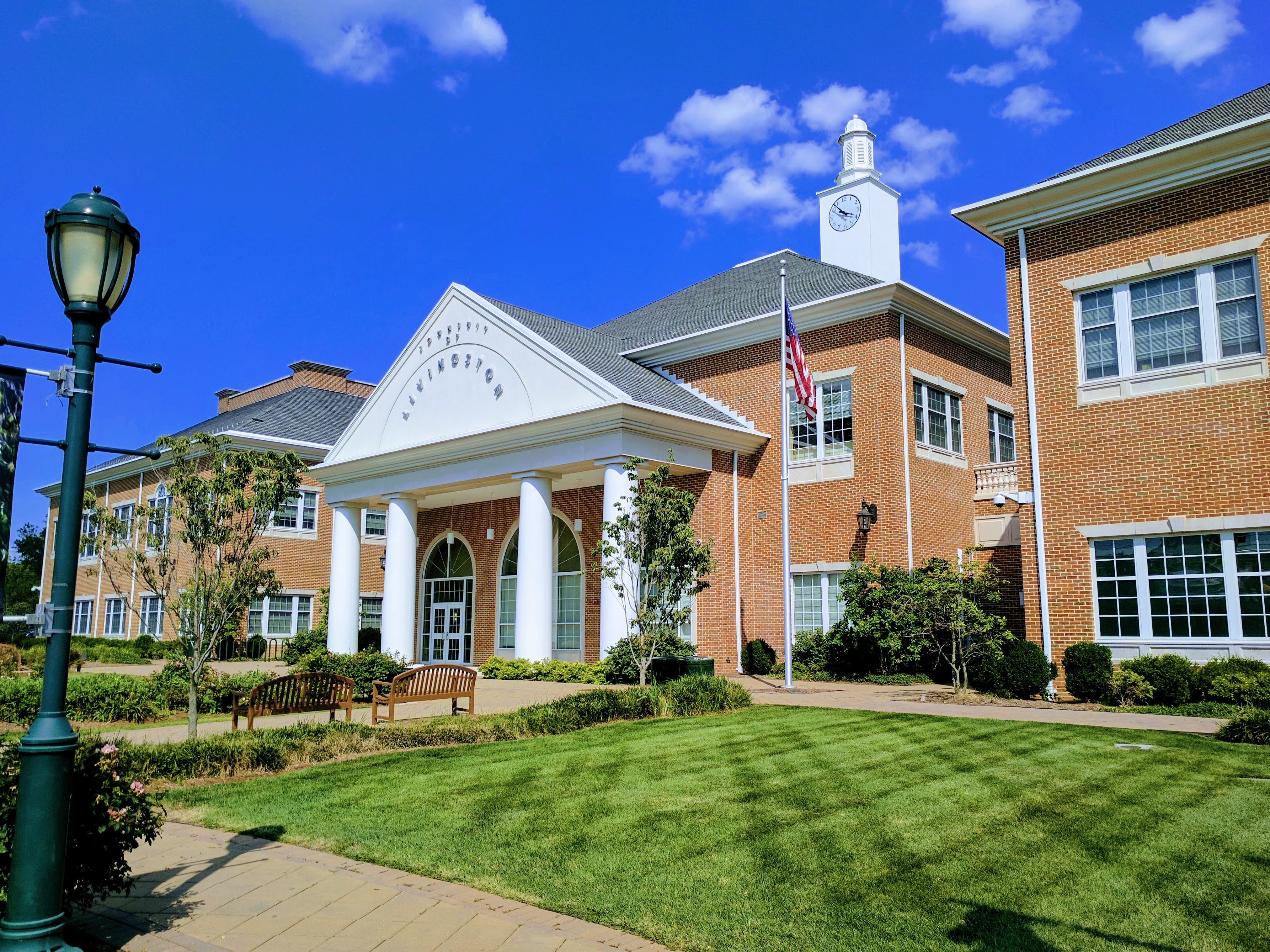
Livingston families could see a new Pre-K center at Millbrook Park Elementary School and more classroom space at Livingston High School under a proposed $227.9 million bond referendum detailed at the board's Aug. 20 meeting.
Architect Allen Barnett of BWS Architects presented updated schematics for the project at the Livingston Board of Education's Thursday, Aug. 20 meeting, according to the West Essex Tribune. The plans would convert Millbrook Park Elementary into a dedicated Pre-K center and expand Livingston High School.
Board President Parul Khemka cautioned that the referendum remains a proposal. No vote outcome has been confirmed.
If voters approve the measure, the tax impact would be significant. An average Livingston homeowner with a property assessed at $729,272 would see annual taxes rise by $1,015 to $1,130, according to Patch. The district expects approximately $20.7 million in state aid to help offset costs.
The $227.9 million breaks down as $154 million for new construction, $60.8 million for renovations and $13.1 million for site work including fields, paving and parking lots. District-wide, the plan calls for new classrooms, athletic field improvements, security upgrades and a consolidated school bus depot.
The board unanimously selected this plan option at its June 16 meeting after reviewing two alternatives. The board had discussed the project's scope at its June 9 meeting. "It's important to note that while we are going to talk about what the potential tax impact would look like, the financial experts we work with have a lot of experience working with schools and districts with things like referendums … and all the numbers we talk about are preliminary," Superintendent Mark Stern said at the July 14 board meeting, as NJ.com reported July 30.
The district serves about 6,000 students across six elementary schools, two middle schools and Livingston High School. The referendum aims to address growing enrollment, create space for academic programs and consolidate bus operations.
Residents are scheduled to vote on the referendum April 20, 2027. If approved, construction could begin six to seven months later, with project timelines ranging from 30 to 51 months.