Millburn's Township Committee has approved a settlement with the Chai Center for Living Judaism, ending two federal lawsuits that lasted more than three years.
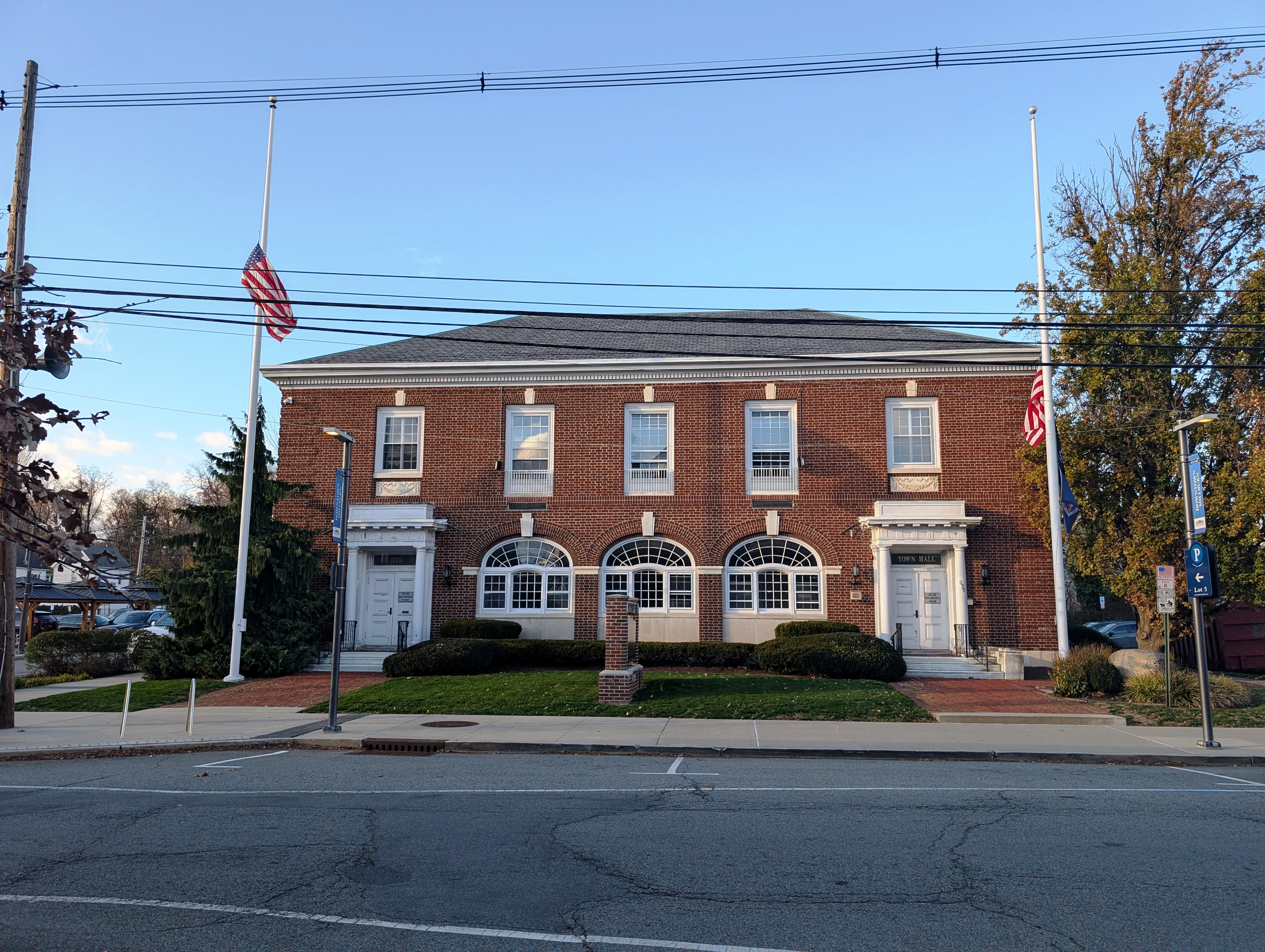
The committee voted Aug. 11 to adopt Resolution 26-194, which resolves both cases "fully and finally," TAPinto Millburn/Short Hills reported. Both lawsuits were filed under the Religious Land Use and Institutionalized Persons Act (RLUIPA), a federal law that limits how local governments can restrict religious buildings.
The disputes trace back to 2021, when the Chai Center applied to build a synagogue at 437–439 Millburn Ave. The Zoning Board of Adjustment denied that application in February 2023. The Chai Center responded by filing a federal lawsuit the following month. That case was docketed as No. 2:23-CV-01833.
A second application followed in 2024 for a synagogue at 165 Old Short Hills Road. The Planning Board denied that proposal in September 2025. The Chai Center filed a second federal suit in November 2025, docketed as No. 2:25-CV-17318.
The township, the Zoning Board and the Planning Board all filed responses. Litigation continued through amended complaints and answers into 2026.
The case consumed significant closed-session time across multiple boards. The Planning Board discussed the litigation in executive session in January, February, March and May 2026, according to board meeting records. The Township Committee held its own closed-session briefings on the case in January, May and June 2026.
The settlement does not give the Chai Center an automatic right to build. Resolution 26-194 states that any future synagogue application must go through the full public hearing and land-use review process required by law. Site plans, traffic studies, neighbor testimony and board votes would all still apply.
No future application from the Chai Center has been filed or announced. The vote count on Resolution 26-194 and individual committee members' positions were not available in public records as of publication.
If the Chai Center does submit a new application, residents would have the opportunity to testify at public hearings before the relevant land-use board.