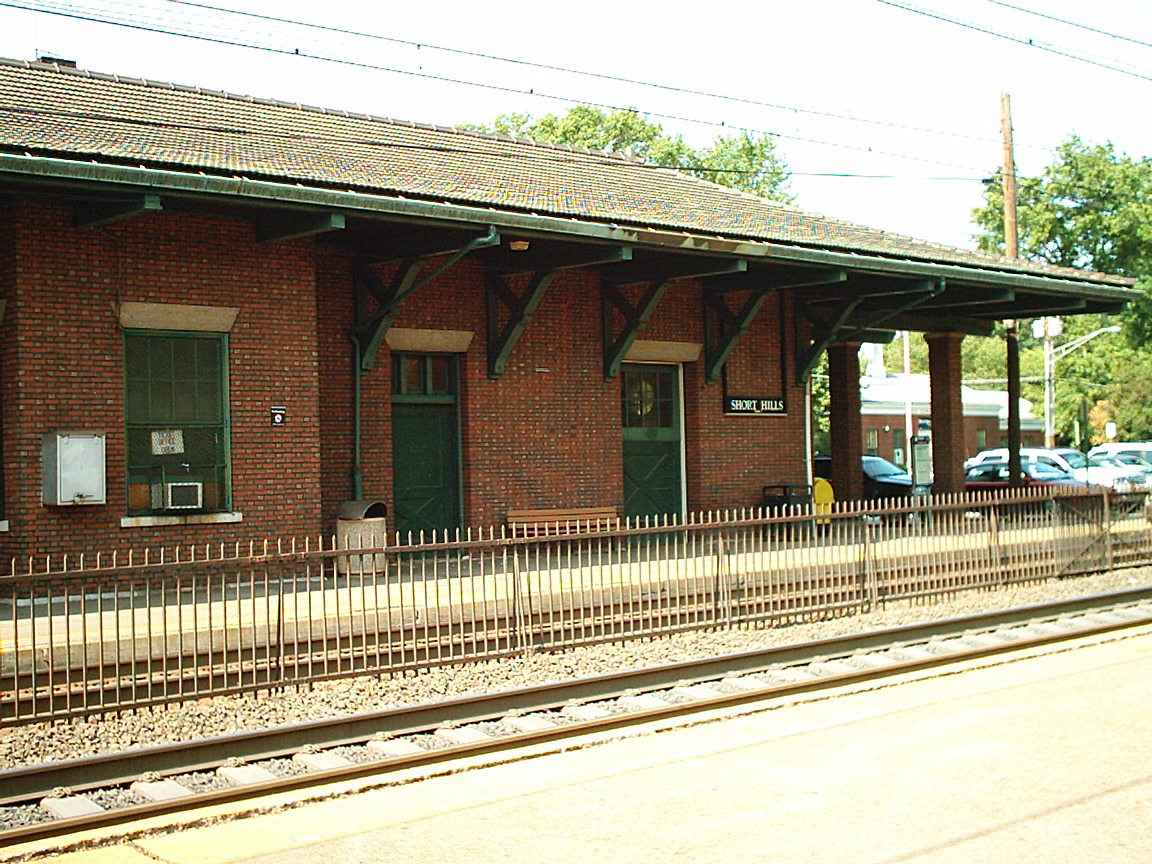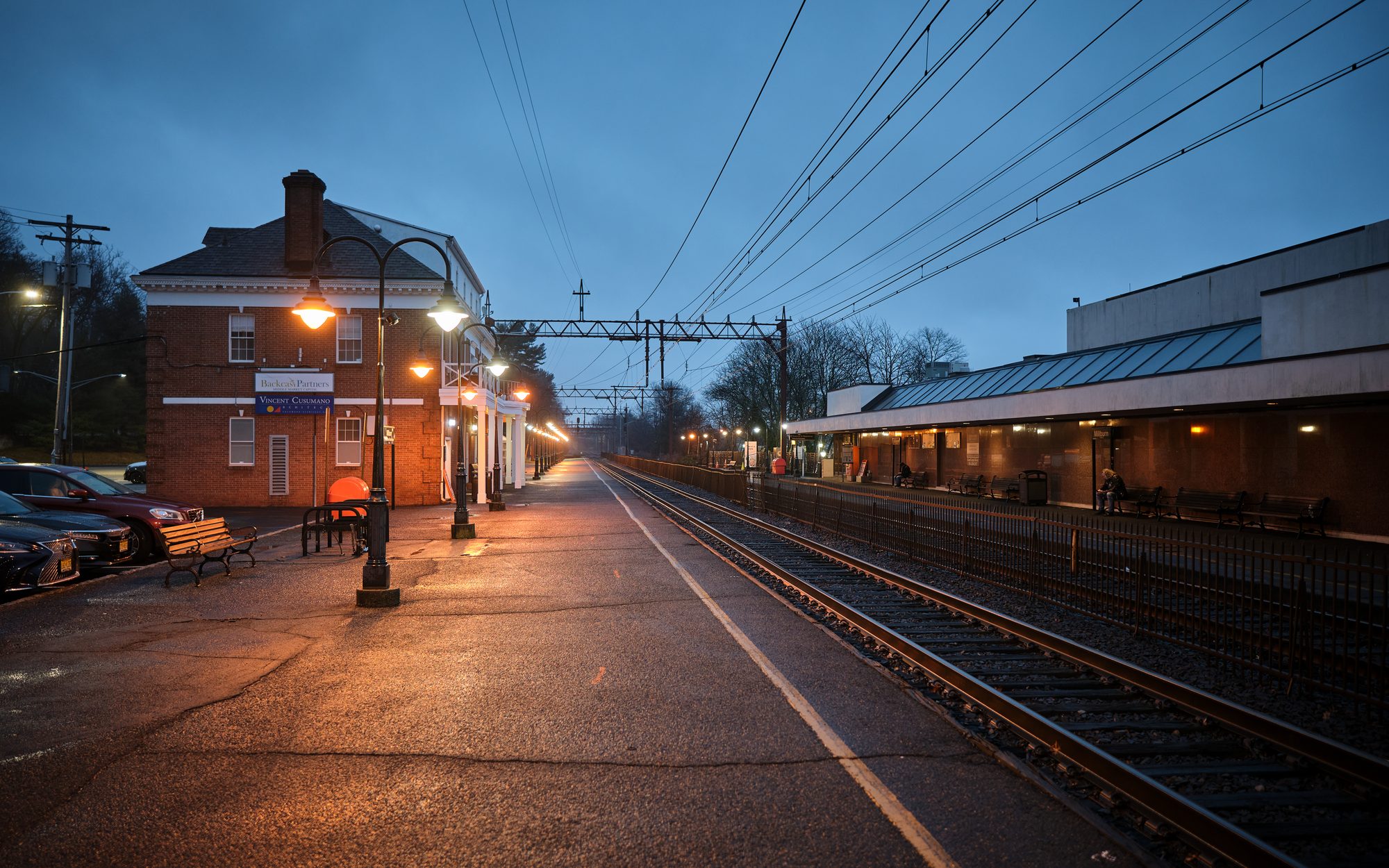
Short Hills and Millburn commuters who ride the Morristown Line into New York Penn Station will lose their direct route for five weeks starting Sunday, Oct. 11.
NJ Transit and Amtrak announced Thursday, Sept. 17, that crews will transfer the final track from the 116-year-old Portal Bridge to the new Portal North Bridge over the Hackensack River in Kearny. The work begins the evening of Friday, Oct. 9, and regular schedules are expected to resume Sunday, Nov. 15.
During the cutover, all Midtown Direct trains on the Morristown Line, Gladstone Branch and Montclair-Boonton Line will be rerouted to Hoboken Terminal instead of Penn Station.
What changes for local riders
The Morristown Line and Gladstone Branch will drop from 148 weekday trains to 139, according to an Amtrak briefing document. The Montclair-Boonton Line falls from 64 to 60. Systemwide, NJ Transit service will be cut roughly 10%, with a 50% reduction between Newark and Secaucus, NJ Transit CEO Kris Kolluri told NJ.com.
To keep riders moving, NJ Transit will cross-honor tickets on PATH trains at Hoboken and 33rd Street, NY Waterway ferries between Hoboken and Midtown, and NJ Transit's Route 126 bus between Hoboken and the Port Authority Bus Terminal. Forty-four shuttle trains will run between Secaucus and Penn Station on weekdays.
NJ Transit says riders who buy tickets to Hoboken and connect via PATH or ferry could save up to 25% per trip compared to their normal fare. A FLEXPASS option offering 20 trips at a 15% discount will also be available.
On weekends, Hoboken connections from the Morristown Line will run through Secaucus instead of Newark Broad Street. Last trips connecting to Montclair and Gladstone will leave 30 minutes earlier than usual.
Why five weeks
The $2.3 billion Portal North Bridge project replaces a swing bridge notorious for failing to close after opening for boat traffic, stranding tens of thousands of riders on the Northeast Corridor. The first track opened March 15 after a four-week outage. This second cutover takes longer because of additional work that could not be completed during the spring outage, including roughly 4,500 feet of new track, catenary wire and five new signals.
"If you give us five weeks to do this work, you will not have to worry about this bridge for the next 100 years," Kolluri said at the Sept. 17 briefing, as reported by NJ.com. "That is the trade-off."
The construction effort will require an estimated 40,000 labor hours, with two shifts per day, seven days a week, and 50 to 75 workers per shift. Officials said the work would wrap up before the Thanksgiving travel period.
NJ Transit urged riders to check station-specific schedules before traveling and to allow extra time during the cutover.