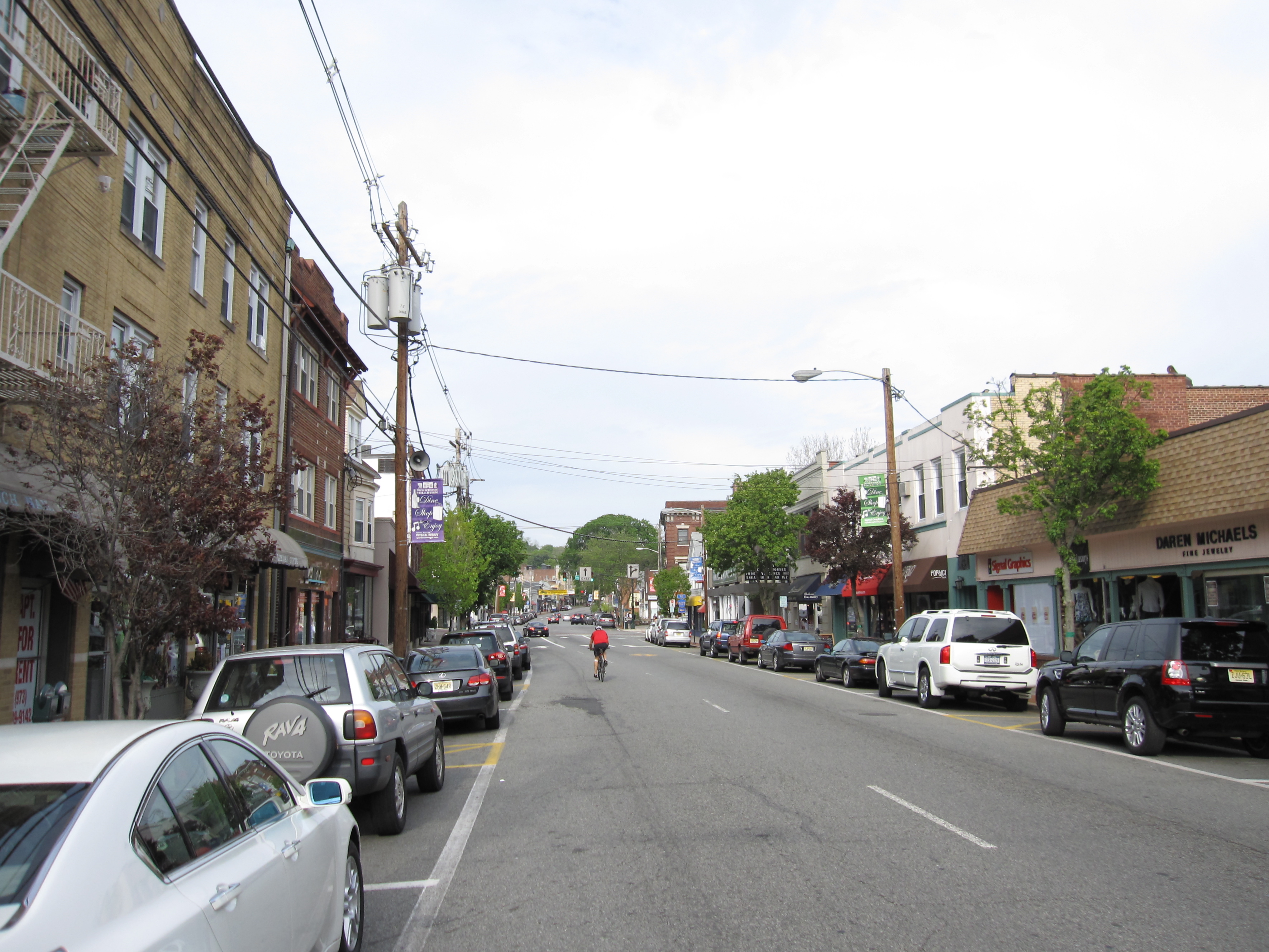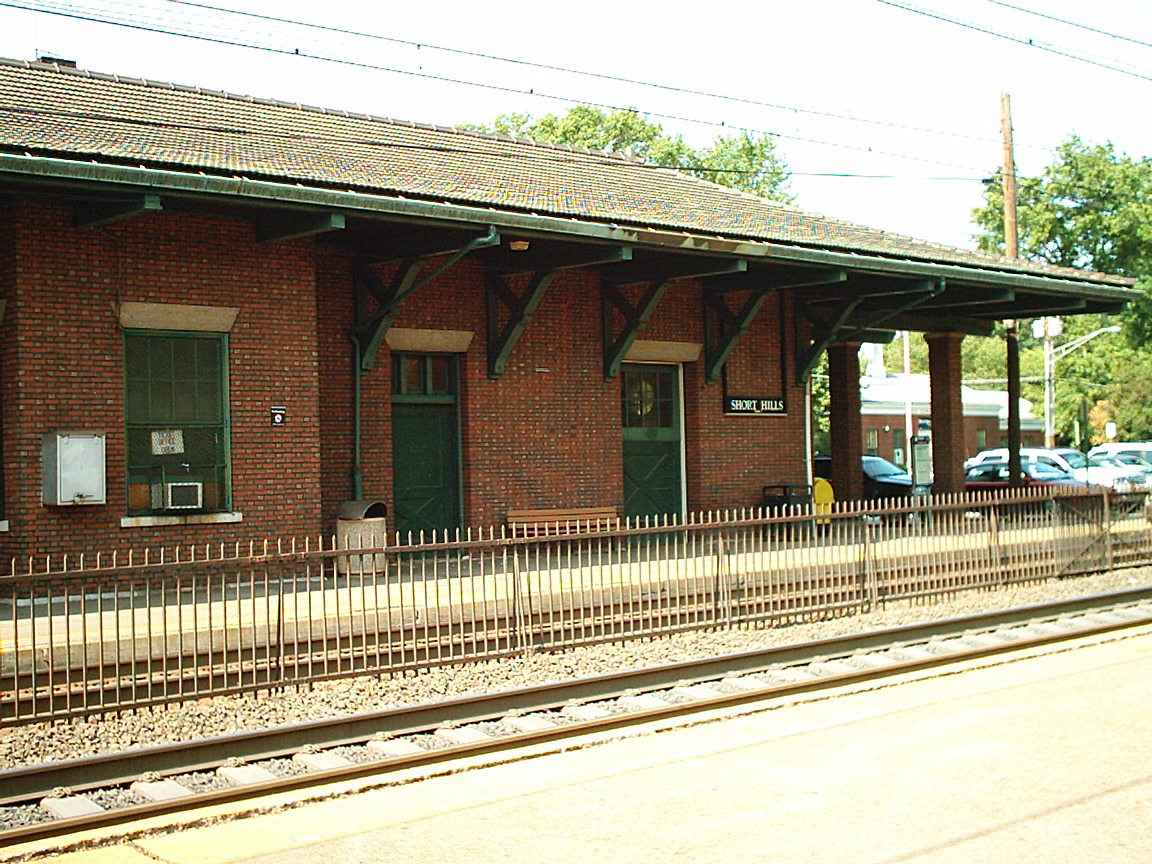
Short Hills homeowners sitting on an average home value of $2,387,541 are squarely in the crosshairs of a growing deed-fraud problem that a state watchdog wants New Jersey legislators to fix.
The State Commission of Investigation (SCI), chaired by John P. Lacey, released an 85-page report on Wednesday, Sept. 9, detailing how fraudsters impersonate property owners, forge documents and record deeds under new names before victims realize what happened. The report, submitted to Gov. Mikie Sherrill and the Legislature, calls on lawmakers to pass five pending bills and adopt additional protections.
New Jersey trails only Florida in reported deed fraud. FBI data compiled for the SCI identified roughly 135 incidents in the state from January 2020 through early March 2026, mostly in Bergen, Cape May, Ocean and Sussex counties. The bureau cautioned that figure likely understates the problem because many cases go unreported.
A 2025 National Association of Realtors survey found the Northeast has the highest prevalence of deed fraud, particularly in areas mixing cities and suburbs, a profile the SCI said fits New Jersey.
How the scams work
Fraudsters use public records to identify a target property, create fake identification and list the home, often below market value. They seek all-cash buyers willing to close quickly and remotely, fabricating reasons for not appearing in person. The shift to remote transactions during the pandemic made detection harder, the SCI said, because fewer people meet face-to-face at any stage of the deal.
Elderly, deceased and absentee property owners are the most frequent targets. The SCI report cited one estimate that senior citizens absorb 44% of all dollar losses from deed fraud.
The commission documented cases across the state: imposters sold a recently deceased man's Gloucester County home and rented it to unsuspecting tenants. An unwitting buyer paid $60,000 to scammers posing as owners of a vacant Warren County property. A Middlesex County man discovered his vacant land had been fraudulently sold when he went to pay his taxes and was told his account had been closed. In a separate Jersey City case, a victim spent six years resolving the fraud, NJ Spotlight News reported.
National complaints jump 32%
Nationwide, deed fraud complaints jumped from 9,359 in 2024 to 12,368 in 2025, according to the FBI. Reported losses rose from about $173.6 million to $275 million in the same period, the Jersey Vindicator reported. Only three states are considering comprehensive countermeasures: Virginia, Tennessee and Maine.
What the SCI wants lawmakers to do
The commission urged action on five bills already in the legislative pipeline. Those measures would require additional paperwork to prove legitimacy when recording a deed, mandate that county clerks notify the original owner of a deed change, create a statewide property-alert service with seven-day notification windows and require LLCs to disclose ownership when filing residential deeds.
Beyond pending legislation, the SCI recommended statewide identity-verification standards for real estate brokers, thumbprint requirements for all transaction signers, tighter rules for remote notarizations and a voluntary title-freeze option. That freeze would work like a credit freeze, requiring two-factor authentication to lift.
Local protection already available
Essex County, which includes Short Hills and Millburn, operates the LANDEX Record Alert System. Homeowners can register up to 10 block-and-lot numbers and five names to receive email and text alerts when documents are recorded against their property. The SCI noted, however, that these alerts have no preventive effect because they arrive only after a document has been recorded.
The Essex County Register of Deeds and Mortgages lists a fraud protection hotline at 973-266-7220.
Bills stalled in committee
Sen. Carmen Amato Jr. and Assemblymen Brian Rumpf and Gregory Myhre of the 9th District called for committee hearings on legislation (S-1611/A-1846), which continues a measure first introduced in February 2025 as S-4094/A-5301. The bill would require county recording officers to notify property owners and delay recording of a quitclaim deed for 10 to 12 business days after notification.
S-1611 sits in the Senate Community and Urban Affairs Committee. Its companion, A-1846, was referred to the Assembly Consumer Affairs Committee. No hearing dates have been scheduled.