Transit commuters across New Jersey and New York stand to lose nearly $600 a year in after-tax income if Congress eliminates the federal transit pre-tax benefit, a Regional Plan Association (RPA) study warns. The finding hits especially hard for suburban rail riders like those boarding at Short Hills and Millburn stations.
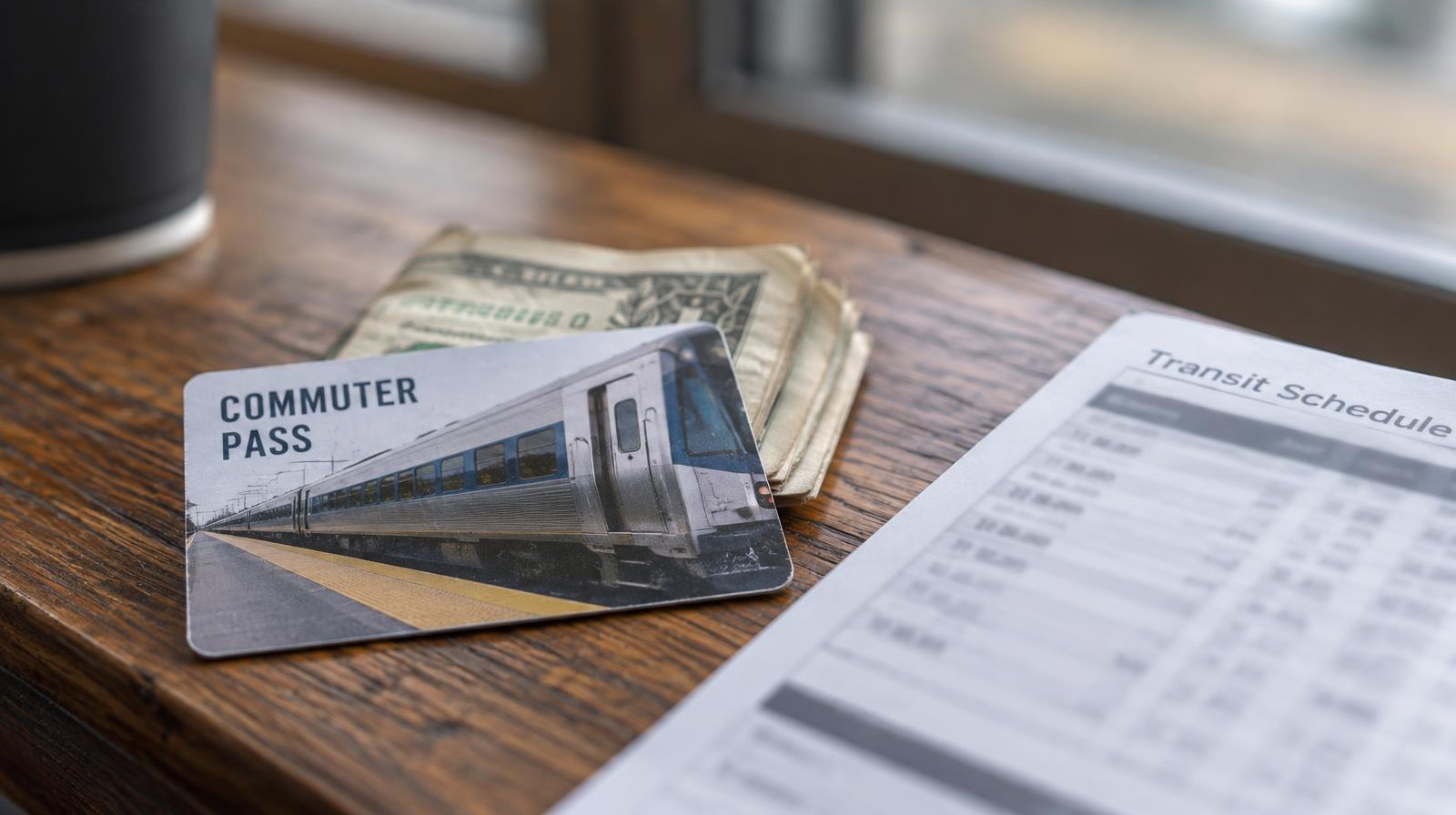
The benefit lets commuters use pre-tax dollars to buy transit passes, up to $340 a month per person. The RPA report, published Monday, Sept. 28, found that New Jersey and New York transit commuters traveling to Manhattan save roughly $380 million a year through the program.
The study zeroed in on commuting from Hudson, Essex and Union counties to Manhattan's Central Business District (CBD). It found 86% of CBD-bound commuters from those three counties ride public transit.
Just 14% drive.
Cutting the benefit would push 400 to 600 additional cars from those counties onto Manhattan-bound roads each weekday, the report estimated. Counties farther west in New Jersey would add another 1,110 to 1,700 vehicles.
Suburban riders save more
Rachel Weinberger, co-author of the RPA report, told NJ.com on Oct. 1 that the benefit matters most to suburban rail commuters.
"One thing we see is suburban commuters save more," Weinberger said. "They have a more expensive commute and it's a bigger benefit."
NJ Transit rail riders use the benefit more than bus riders, Weinberger said. Short Hills and Millburn stations sit on NJ Transit's Morris & Essex Lines, which offer Midtown Direct one-seat service to New York Penn Station. Both New Jersey and New York require employers with 20 or more workers to offer the pre-tax benefit.
Yet fewer than half of eligible commuters actually use it, Weinberger said. When Bay Area Rapid Transit (BART) in San Francisco aggressively promoted the benefit, participation jumped 80%, the report noted.
NJ Transit revenue at risk
Eliminating the benefit would also dent NJ Transit's bottom line. The agency could lose between $2.8 million and $4.3 million in annual fare revenue, the study estimated. Across all transit providers in the region, the loss would total $15 million to $25.7 million a year.
The RPA said the reduced road congestion the benefit creates amounts to an economic gain for the entire region, not just transit riders.
Threat is dormant, not dead
The study was prompted by a Congressional proposal during last year's budget process to cut the transit benefit. Weinberger told NJ.com that proposal is currently "off the table," but the RPA produced the report to document what would be lost if the idea resurfaces.
The report has been sent to elected officials, Weinberger said. No response from Millburn Township Committee members or Essex County officials appeared in public records as of publication.