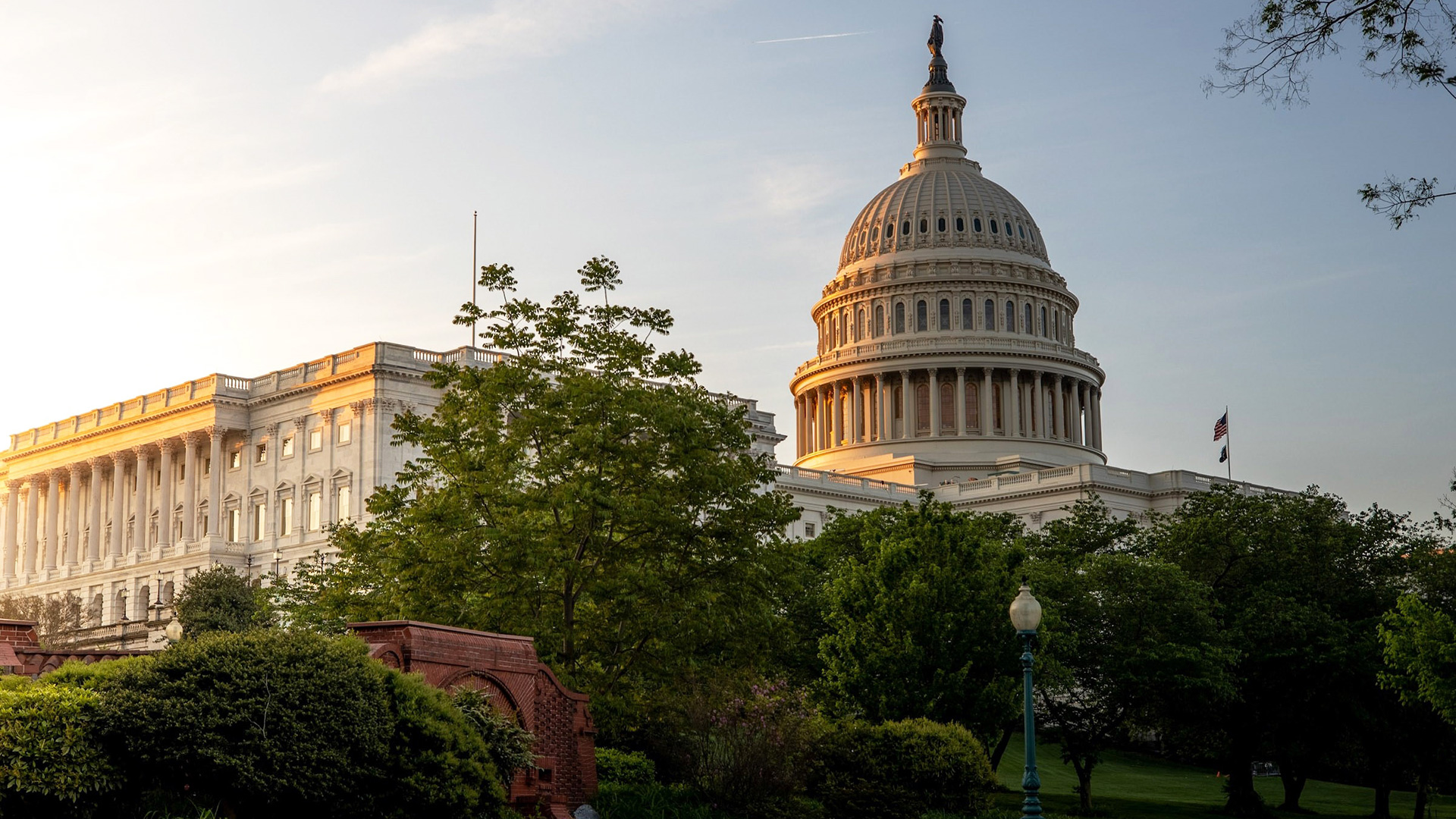
The U.S. House passed the Kids Internet and Digital Safety Act on Monday, June 29, by a vote of 267-117, sending a bipartisan package of online safety rules for minors to a skeptical Senate. The bill arrives as Millburn and Livingston schools prepare to implement New Jersey's phone-free schools law this fall, creating overlapping federal and state efforts to limit children's harmful screen exposure.
The legislation would require platforms to maximize safety settings for minors by default, restrict disappearing messages for kids, force AI chatbots to disclose they are not human, and mandate age verification on pornographic websites. It also raises the age for parental consent before websites collect children's data from 13 to 14.
The package of 14 bills targets content categories including violent images, bullying, suicidal ideation, eating disorders, and sexual exploitation.
Who brokered the deal
Rep. Frank Pallone (D-NJ), the ranking Democrat on the House Energy and Commerce Committee, co-brokered the bipartisan agreement with Committee Chair Brett Guthrie (R-Ky.) after months of negotiations. On the House floor June 29, Pallone said the bill's language ensures "states have the authority to pass and enforce stronger state laws, including those with a duty of care."
Pallone represents New Jersey's 6th Congressional District in Middlesex and Monmouth counties. Millburn and Livingston fall in the 11th District, represented by Rep. Mikie Sherrill (D-NJ).
Senate resistance
The bill faces a fight in the upper chamber. The House version dropped a "duty of care" provision that would have legally required platforms to protect kids from harmful design features like endless scroll and algorithmic recommendations. Senate Commerce Committee ranking member Maria Cantwell (D-Wash.) said the House bill doesn't go far enough: "We're not going to let bad legislation with a good title just get across and think somebody's done something."
Senate Commerce Committee Chair Ted Cruz (R-Texas) has signaled interest in advancing a version that can pass the House, according to Punchbowl News reporting from June 22. No Senate markup date has been confirmed.
Congress faces a narrow window. The House breaks for August recess in late July, leaving weeks for the two chambers to reconcile their differences.
NJ's phone-free law adds local layer
Gov. Phil Murphy signed legislation on Wednesday, January 8, requiring all K-12 districts statewide to adopt bell-to-bell (first bell to dismissal) restrictions on cell phones and internet-enabled devices starting in the 2026-2027 school year. The state funded a $3 million Phone-Free Schools Grant Program that awarded grants to 86 of New Jersey's roughly 600 districts for equipment like phone pouches and staff training.
Whether Millburn or Livingston received grant funding has not been publicly confirmed. Neither district has issued a public statement on the federal KIDS Act.
The House breaks for recess in late July, and the Senate has not scheduled its markup, putting the bill's fate on a tight summer clock.