Synthetic chemicals called PFAS turned up in 91 percent of 86 tested water sites across New Jersey, a new national study found.
The findings, first reported by Patch, draw on an Environment America analysis of federal, state and nonprofit water testing data collected between 2022 and 2024. Nationally, 83 percent of 1,602 locations tested across 40 states showed PFAS contamination, the Environment America report said. New Jersey's rate was higher.
The 86 New Jersey samples came from the Raritan River watershed, including the North Branch of the Raritan near Raritan, the Millstone River at Blackwells Mills and the Lamington River at Burnt Mills. PFAS were found at every monitoring location upstream of the drinking water intake in Bridgewater, Somerset County, Patch reported.
A separate study released earlier in 2026 ranked New Jersey second-worst in the nation for drinking water quality, according to the nonprofit PFAS Water Experts, Patch reported.
Livingston already spending $15 million
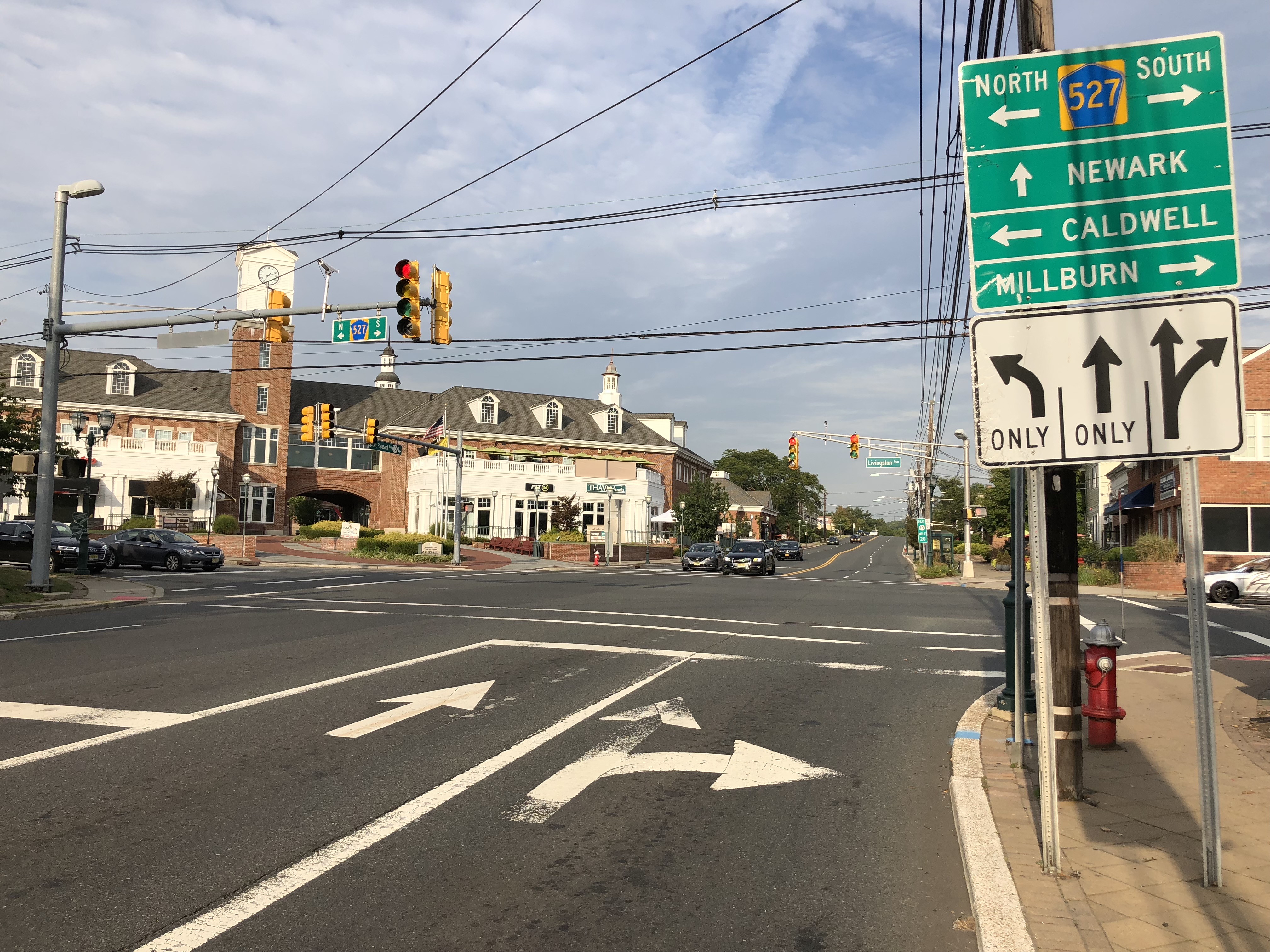
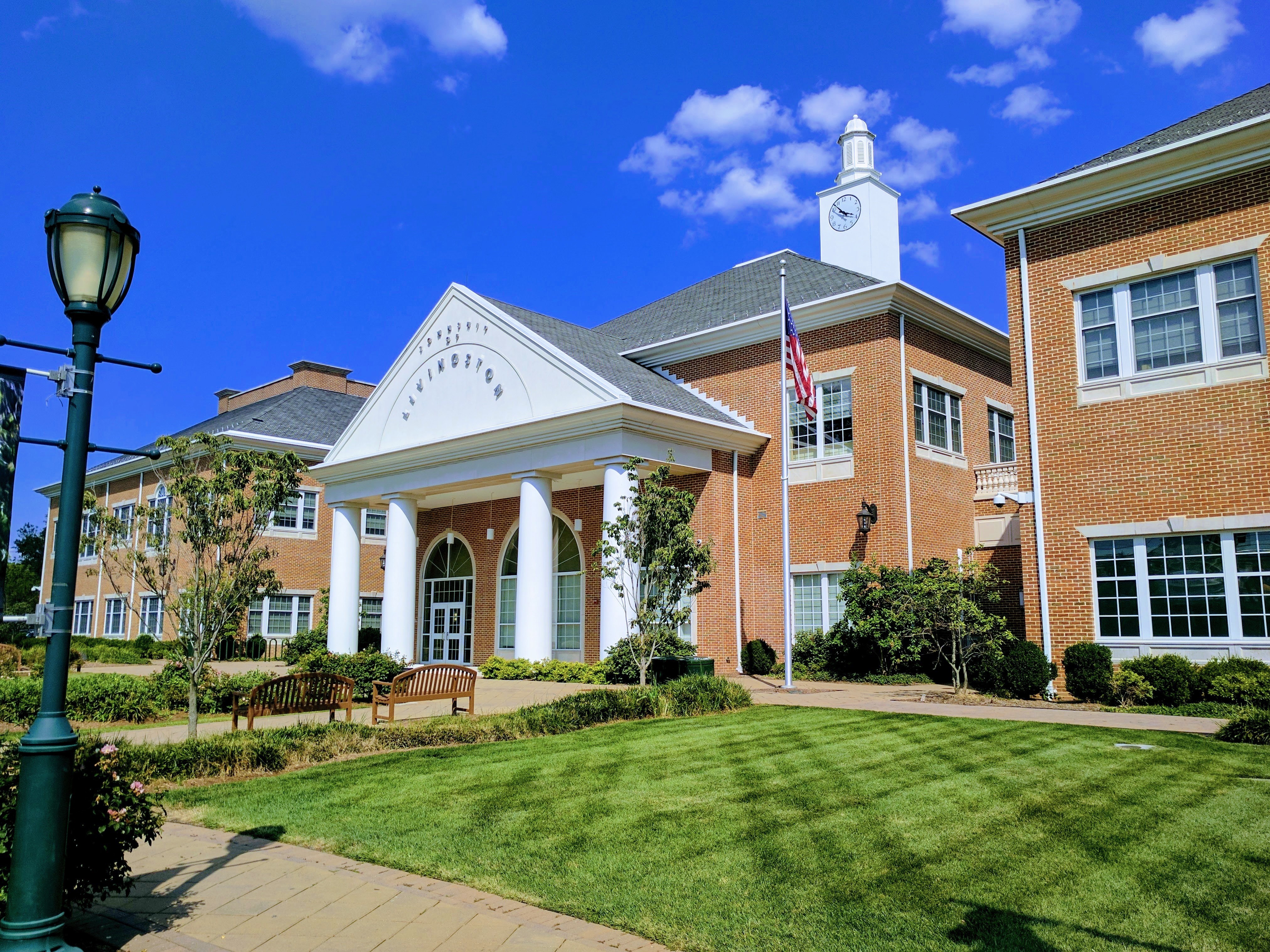
Closer to home, Livingston has been grappling with PFAS in its own well water for years. The township has committed approximately $15 million for design and construction of new treatment systems, according to the township's PFAS information page.
Livingston's drinking water supply is approximately 95 percent compliant with New Jersey Department of Environmental Protection (NJDEP) PFAS standards, the page states. Two of the township's 11 well treatment facilities remain in violation. Well 10, which had the highest PFOA levels, has been shut down until a treatment facility is installed.
In January 2023, the Livingston Township Council approved a $15.7 million note through the NJ Infrastructure Bank for improvements to the Dorsa Avenue wellfield. That project includes granulated activated carbon treatment and advanced oxidation systems.
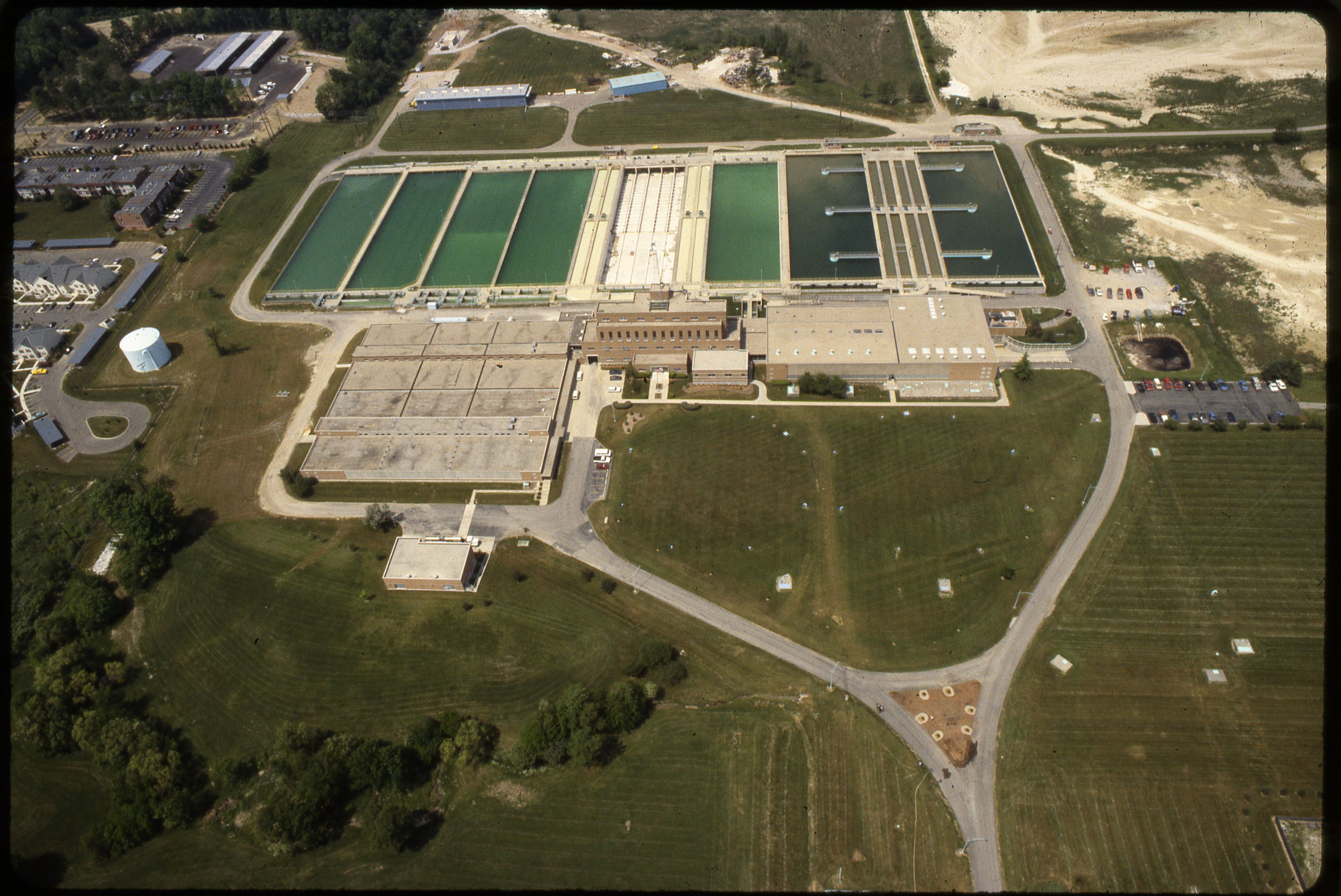
Conventional wastewater treatment is not built to remove PFAS, according to NJDEP. Residents concerned about exposure can use reverse osmosis filters or filters certified under NSF 53 to reduce PFAS levels in tap water, the township said.
Contamination reaches Highlands headwaters
Elliott Ruga, policy and communications director at the New Jersey Highlands Coalition, said PFAS were detected at 15 of 16 sample sites in the Highlands. Those sites sit "in the headwaters and source tributaries of these major river systems," Ruga said, according to Patch.
New Jersey passed the Protecting Against Forever Chemicals Act in 2025. The law restricts the sale of certain PFAS-containing products, requires labeling of cookware with the chemicals and funds research to reduce contamination. The state also became the first to set enforceable PFAS drinking water standards in 2018, Patch reported.
Doug O'Malley, state director for Environment New Jersey Research and Policy Center, called on Gov. Sherrill's administration to move forward on NJDEP protections that would reduce PFAS discharged into the state's waterways, Patch reported.
Livingston residents can request a hard copy of the township's 2026 Water Quality Report by emailing [email protected] or calling 973-535-7951. Copies are also available at Town Hall, 357 South Livingston Ave., the Livingston Senior/Community Center at 204 Hillside Ave. and the Livingston Public Library at 10 Robert H. Harp Drive.